
 Current position > News detail
『Quality flowmeter Jilin』Related information(v cone flow meter|rotary gas meter|gallon meter|gear meter|metal tube rotameter|glass tube rotameter|nutating disk meter|transit time ultrasonic flow meter|wedge flow meter|pd meters|hydraulic flow meter|ultrasonic water flow meter|water flow meter|air flow meter|magnetic water flow meter|oxygen flow meter|gas flow meter|argon flow meter|air velocity meter|gasoline flow meter|fuel flow meter|ultrasonic water meter|digital water meter|nitrogen flow meter|solid flow meter|Oxygen tank flow meter|digital water flow meter|diesel fuel flow meter|steam flow meter|02 flow meter|compressed air flow meter|oil flow meter|liquid flow meter)
1. Types and differences of flow meters
2. Why cant mass flow meters measure gas density?
3. What are the common types of flow meters?
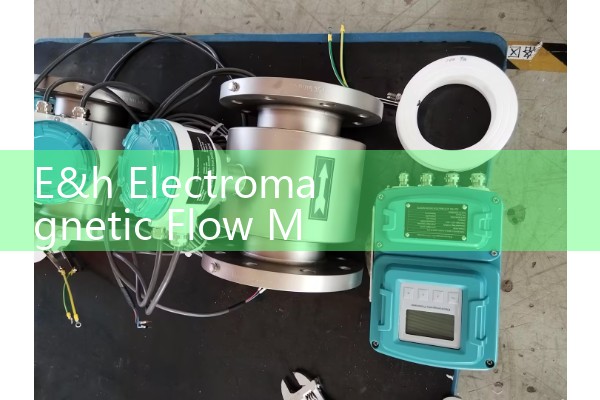
A flowmeter is a commonly used measuring instrument with a wide variety of types, each with different functions and measurement ranges. The following are common types of flow meters: mass flow meter: direct type, such as calorimeter, angular momentum type, gyroscope type, and double impeller type, suitable for measuring small flow gases, but prone to contamination and corrosion. Indirect: Derive mass flow rate by combining it with other instruments such as density meters and volumetric flow meters. Electromagnetic flowmeter: Based on the law of electromagnetic induction, it is used to measure various corrosive liquids such as acids, alkalis, salts, as well as flammable and explosive media, industrial wastewater, pulp, mud, etc. It cannot be used to measure gases, vapors, and liquids containing a large amount of gas, nor can it measure liquid media with low conductivity or high-temperature and high-pressure fluids. Vortex flowmeter: Based on the principle of fluid free oscillation, it is used to measure the flow rate of various media such as gas, liquid, vapor, etc. It has the characteristics of low pressure loss, large range, and high accuracy. Differential pressure flow meters: such as orifice flow meters, bar flow meters (such as Annubar), V-cone flow meters, wedge flow meters, bend flow meters, nozzle flow meters, target flow meters, etc. Calculate the flow rate by measuring the diffe