

 Current position > Product detail
『Water Flow Meter Calibration: Maintaining Volumetric Integrity on Field Loops』Related information(v cone flow meter|rotary gas meter|gallon meter|gear meter|metal tube rotameter|glass tube rotameter|nutating disk meter|transit time ultrasonic flow meter|wedge flow meter|pd meters|hydraulic flow meter|ultrasonic water flow meter|water flow meter|air flow meter|magnetic water flow meter|oxygen flow meter|gas flow meter|argon flow meter|air velocity meter|gasoline flow meter|fuel flow meter|ultrasonic water meter|digital water meter|nitrogen flow meter|solid flow meter|Oxygen tank flow meter|digital water flow meter|diesel fuel flow meter|steam flow meter|02 flow meter|compressed air flow meter|oil flow meter|liquid flow meter)
Water Flow Meter Calibration: Maintaining Volumetric Integrity on Field Loops
Quick Answer
Volumetric integrity on a field loop means the flow meter output matches the real volume passing through the pipe, within a known uncertainty. You maintain this integrity by performing an in-situ calibration, comparing the installed meter against a traceable reference meter on the same live line. Silver Instruments supplies clamp-on ultrasonic reference meters and compact Coriolis master meters that make this loop calibration fast, without cutting pipe or stopping production.
What Volumetric Integrity Means on a Field Loop
When a plant engineer talks about volumetric integrity, they ask one question. Does the meter totalizer reflect the true volume that entered the storage tank, the discharge pipe, or the dosing skid. In a field loop, pipe vibration, entrained air, low conductivity, or electrode coating can all break that integrity silently. A meter might still output a steady 4-20 mA signal, but the volume reading drifts by 2 or 3 percent over a month. For a wastewater discharge permit or a batch recipe, that drift is a compliance problem and a cost leak.
We have seen this on sites many times. A desalination plant in Saudi Arabia was reporting 1.8 percent higher permeate flow than actual. The error came from a ground loop on a DN200 electromagnetic flow meter. Once we clamped a Silver transit-time ultrasonic meter on the same spool, the deviation became obvious. The plant corrected the grounding, and the two meters agreed within 0.5 percent.
Common Calibration Methods Used on Live Water Lines
Pulling the flow meter out and sending it to a lab is rarely practical. The plant loses production time. Gaskets get damaged. Real field calibration happens on the loop. Three methods dominate.
Master meter comparison. You insert a calibrated reference meter in series, or you clamp an external ultrasonic meter on the pipe. The reference meter and the device under test measure the same volume at the same time. You compare the totalized pulses or the analog output.
Gravimetric verification. You divert flow into a weigh tank and compare the collected mass to the meter reading. This is accurate but hard to set up on a running process line.
Prover loop. A compact pipe prover or piston prover gives a known displaced volume. This is common for custody transfer on hydrocarbon lines, but on water loops a master meter is faster and cleaner.
Most engineers skip the gravimetric method for daily checks. They use a portable clamp-on ultrasonic as the reference. It is quick, it is repeatable, and you do not need to open the pipe.
Using a Clamp-On Ultrasonic Meter as a Reference Standard
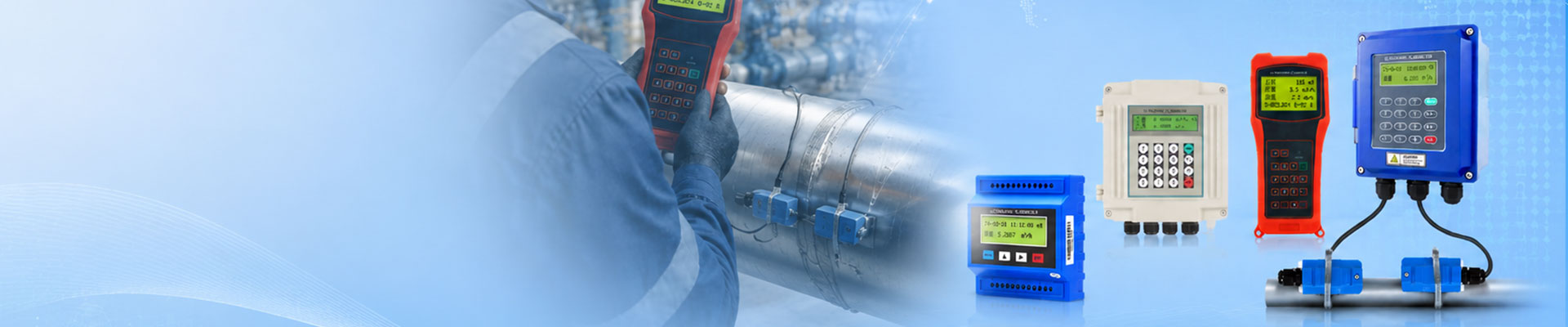
Silver Instruments builds the Silver Series transit-time ultrasonic flow meter with clamp-on sensors for pipe sizes from DN15 to DN3000. The meter works on clean water, wastewater, seawater, and even some sludges with low solids content. When you use it as a field calibration reference, you clamp the transducers onto a straight pipe section with at least 10D upstream and 5D downstream. The meter reads flow velocity directly and calculates volumetric flow based on the exact pipe wall thickness and inner diameter you program into the transmitter.
Here is the thing. The accuracy of a clamp-on reference check depends on good contact, clean pipe surface, and a fully filled pipe. Air bubbles or partial filling destroy the acoustic path. In practice, we see agreement better than 1 percent between a correctly installed clamp-on reference and a factory-calibrated electromagnetic meter on DN100 to DN600 lines.
For plants that need to log calibration data, the Silver ultrasonic meter outputs 4-20 mA HART, RS485 Modbus, and stores up to 512 days of flow history on an internal SD card. You can compare batch totals between the reference meter and the installed meter, then generate a simple calibration report without any external software.
Coriolis Master Meters for High-Accuracy Verification
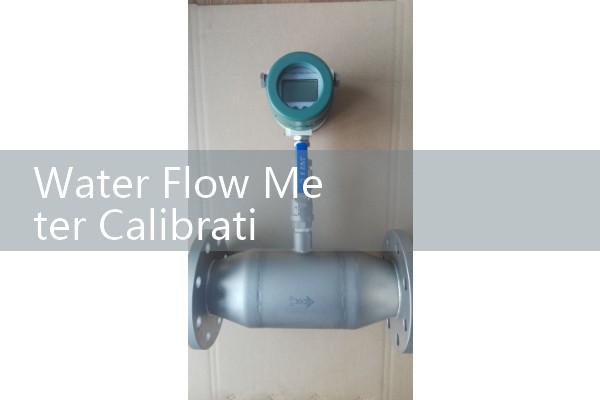
When the application demands mass-based volumetric integrity, or the fluid varies in density and temperature, a Coriolis mass flow meter becomes the master reference. Silver Instruments supplies a dedicated Silver Coriolis master meter skid. This is a compact, portable assembly with a DN15 or DN25 Coriolis sensor, a transmitter with density and temperature compensation, and a rugged carrying case.
A chemical injection company in Mexico uses this master meter to verify their dosing pumps and inline flow meters on polymer feed lines. The flu
Because the Coriolis master meter is a true mass device, it eliminates the need to compensate for density changes. That is a big advantage when verifying meters on hot water loops or brine lines where density drifts with temperature.
Real Cases from Desalination and Wastewater Plants
A brackish water desalination plant in Oman had two DN150 electromagnetic flow meters on the brine reject line. The meters showed a 4 percent difference in flow. The plant suspected one meter was under-reading due to scaling on the electrodes. We sent a Silver clamp-on ultrasonic flow meter as the reference standard. The technician clamped it onto a straight run downstream of the pump. The ultrasonic meter matched one magmeter within 0.8 percent. The other magmeter read low by 3.5 percent. After cleaning the electrodes and checking the grounding ring, the deviation disappeared. The plant now performs this cross-check every six months without shutting down the line.
In southern Vietnam, a wastewater treatment plant uses our Silver electromagnetic flow meters on eight discharge channels. The local environmental authority requires an annual third-party calibration of the totalized volume. The plant bought a Silver portable ultrasonic meter and trained their maintenance team to perform the loop checks themselves. The team verifies each meter in half a day, logs the data on the SD card, and prints a report for the inspector. The authority accepted the in-situ calibration data, saving the plant the cost of an external calibration service every year.
How to Request a Calibration Setup from Silver Instruments
You do not need a generic catalog. Tell us your exact loop conditions, and we will recommend the right reference meter. Send us your pressure in bar, temperature in degrees C, pipe size in DN, flow range, and the fluid type. We will reply with a proposal for a clamp-on ultrasonic reference meter or a Coriolis master meter skid, including sensor material, installation kit, and local support. Reach our engineers directly. Tel: +86-135-1213-1526, Whatsapp: 86-135-12131526, WeChat: +86 13512131526. We ship to Southeast Asia, Oceania, Latin America, Africa, and the Middle East from our Suzhou center.
FAQ
Question: How often should a water flow meter on a field loop be calibrated.
Answer: For general industrial water and wastewater lines, an annual loop check is common. For custody transfer, batch charging, or environmental discharge, most plants perform a master meter comparison every six months. Lines with heavy scaling or frequent temperature swings may need quarterly verification.
Question: Can a clamp-on ultrasonic flow meter really replace lab calibration.
Answer: It can provide traceable verification of the installed meter while the loop is live. Many regulatory bodies accept a calibrated clamp-on ultrasonic reference meter for annual cross-checks on closed pipe systems. The key is to use a meter with a valid factory calibration certificate and to follow the straight-run requirements.
Question: What is the most common cause of volumetric drift in electromagnetic flow meters.
Answer: Electrode coating and ground loop faults. In water with high iron or manganese content, insulating deposits build up on the electrodes, and the meter starts under-reading. A daily or weekly comparison against a portable reference meter catches the drift before it becomes a compliance violation.
Question: Can a Coriolis master meter handle entrained air when checking a water flow meter.
Answer: Heavy entrained air will affect any flow meter. However, the Silver Coriolis master meter detects two-phase flow and alerts the operator. For reliable verification, you need to position the master meter in a well-filled pipe section, ideally with back pressure to keep air dissolved.
Question: We operate in a remote area with no nearby calibration lab. What is the fastest way to get a field reference meter.
Answer: Contact our sales team with your pipe specs and we will send a ready-to-use portable reference meter within two weeks. We pre-configure the meter based on your pipe data, so you can clamp it on and start the loop check the same day it arrives.