
 Current position > Product detail
『Types and pictures of flow meters』Related information(v cone flow meter|rotary gas meter|gallon meter|gear meter|metal tube rotameter|glass tube rotameter|nutating disk meter|transit time ultrasonic flow meter|wedge flow meter|pd meters|hydraulic flow meter|ultrasonic water flow meter|water flow meter|air flow meter|magnetic water flow meter|oxygen flow meter|gas flow meter|argon flow meter|air velocity meter|gasoline flow meter|fuel flow meter|ultrasonic water meter|digital water meter|nitrogen flow meter|solid flow meter|Oxygen tank flow meter|digital water flow meter|diesel fuel flow meter|steam flow meter|02 flow meter|compressed air flow meter|oil flow meter|liquid flow meter)
1. Types and principles of flow meters
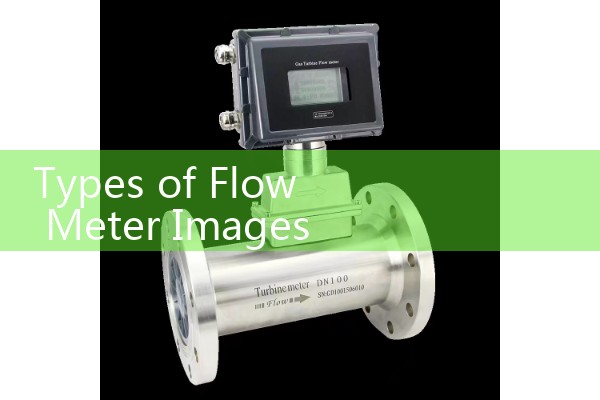
The types and principles of flow meters are as follows: Type of flow meter: positive displacement flow meter: also known as fixed displacement flow meter. It uses mechanical measuring elements to continuously divide the fluid into individual known volume parts, and the total volume of the fluid is obtained by measuring the number of times the fluid in these volume parts is measured. Differential pressure flowmeter: The flow rate is calculated based on the differential pressure generated by the flow detection component installed in the pipeline, as well as the known fluid conditions and the geometric dimensions of the detection component and the pipeline. Float flowmeter: also known as rotor flowmeter, belongs to variable area flowmeter. Measure the flow rate by measuring the position of the float freely rising and falling inside a vertical cone tube that expands from bottom to top. Turbine flowmeter: The main type of velocity flowmeter, which uses a multi blade rotor to sense the average flow velocity of the fluid and derive the flow rate or total amount. Electromagnetic flowmeter: not directly mentioned, but it is based on Faradays law of electromagnetic induction for flow measurement, which measures the induced potential generated by the cutting magnetic field lines of a conductive fluid in a magnetic field to derive the flow rate. Fluid oscillation flowmeter: It uses the principle of fluid vibration under specific flow channel conditions to measure flow rate. Vortex flowmeter is one of them, which measures flow rate by exciting vortex vibration through fluid. Quality flowmeter: Yu Luan directly measures the mass flow rate of the fluid passing through the flowmeter, rat