

『low flow meter for fuel additive ml/min』Related information(v cone flow meter|rotary gas meter|gallon meter|gear meter|metal tube rotameter|glass tube rotameter|nutating disk meter|transit time ultrasonic flow meter|wedge flow meter|pd meters|hydraulic flow meter|ultrasonic water flow meter|water flow meter|air flow meter|magnetic water flow meter|oxygen flow meter|gas flow meter|argon flow meter|air velocity meter|gasoline flow meter|fuel flow meter|ultrasonic water meter|digital water meter|nitrogen flow meter|solid flow meter|Oxygen tank flow meter|digital water flow meter|diesel fuel flow meter|steam flow meter|02 flow meter|compressed air flow meter|oil flow meter|liquid flow meter)
 Here is a comprehensive article on low flow meters for fuel additives, written in English and tailored to your specified topic.
---
### Precision in Dosing: The Critical Role of Low Flow Meters for Fuel Additives
In the modern world of internal combustion engines, the fuel itself is rarely the only liquid flowing through the system. Fuel additives—ranging from detergents and lubricity improvers to cetane boosters and cold-flow improvers—are injected in precise, often minuscule, quantities to enhance performance, reduce emissions, and protect engine components. The device responsible for measuring and controlling these tiny volumes is the low flow meter, typically calibrated in milliliters per minute (mL/min). Understanding the technology, application, and importance of these meters is critical for engineers, fleet managers, and maintenance professionals.
#### Why mL/min Matters
Fuel additives are potent chemical concoctions. A concentration difference of just 0.1% can mean the difference between a clean, efficient combustion cycle and the buildup of harmful deposits. Dosing an additive at the wrong rate can be economically wasteful (overdosing) or mechanically destructive (underdosing). This is why the flow rate is specified in mL/min rather than the larger liters per hour (L/h) or gallons per minute (GPM) used for main fuel lines. The margin for error is extremely small, requiring sensors with high resolution and repeatability.
#### Types of Low Flow Meters for Additives
Not all flow meters are created equal, especially when dealing with viscous, potentially corrosive, or chemically active additives. The most common technologies used for additive dosing at low flow rates include:
1. **Coriolis Mass Flow Meters:
Here is a comprehensive article on low flow meters for fuel additives, written in English and tailored to your specified topic.
---
### Precision in Dosing: The Critical Role of Low Flow Meters for Fuel Additives
In the modern world of internal combustion engines, the fuel itself is rarely the only liquid flowing through the system. Fuel additives—ranging from detergents and lubricity improvers to cetane boosters and cold-flow improvers—are injected in precise, often minuscule, quantities to enhance performance, reduce emissions, and protect engine components. The device responsible for measuring and controlling these tiny volumes is the low flow meter, typically calibrated in milliliters per minute (mL/min). Understanding the technology, application, and importance of these meters is critical for engineers, fleet managers, and maintenance professionals.
#### Why mL/min Matters
Fuel additives are potent chemical concoctions. A concentration difference of just 0.1% can mean the difference between a clean, efficient combustion cycle and the buildup of harmful deposits. Dosing an additive at the wrong rate can be economically wasteful (overdosing) or mechanically destructive (underdosing). This is why the flow rate is specified in mL/min rather than the larger liters per hour (L/h) or gallons per minute (GPM) used for main fuel lines. The margin for error is extremely small, requiring sensors with high resolution and repeatability.
#### Types of Low Flow Meters for Additives
Not all flow meters are created equal, especially when dealing with viscous, potentially corrosive, or chemically active additives. The most common technologies used for additive dosing at low flow rates include:
1. **Coriolis Mass Flow Meters: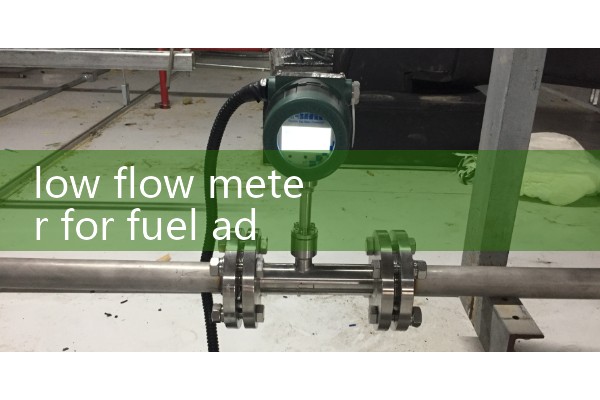
 Hot Blog
 Related AD